Some Advice and Tips on Bowhunting
Nov 14,2024 | Archery Club
Bowhunting: an adventure in close contact with nature
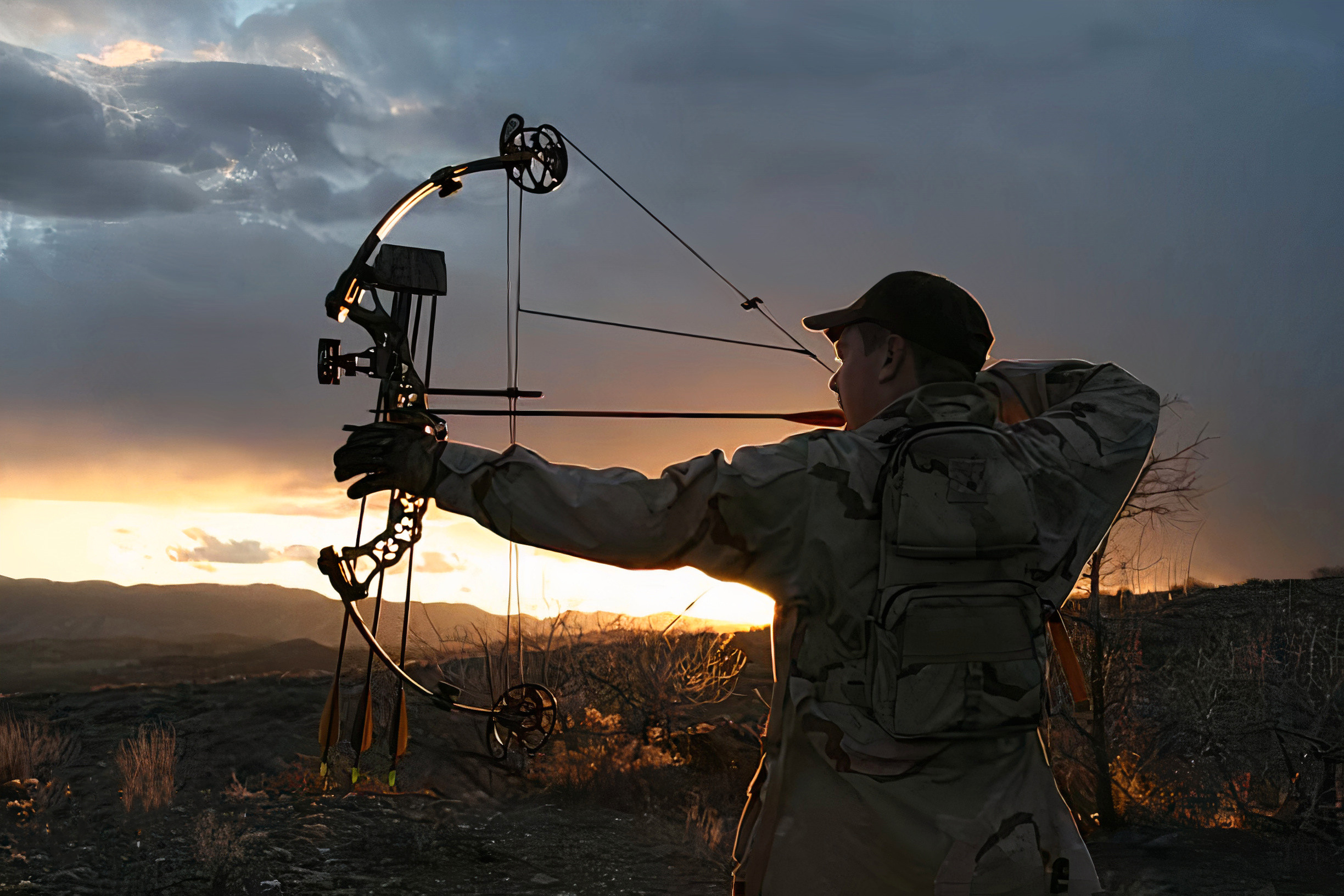
Bow hunting is an ancient and challenging activity that not only tests the precision skills of the shooter, but also provides a unique experience of close contact with nature and wildlife. For hunters who love nature and long to get close to animals, bowhunting offers a more peaceful and immersive way to hunt than modern firearms. In this blog, we’ll explore the beauty of bowhunting, the techniques, and how to prepare for a successful hunt.
1. The allure of bow hunting
Bow hunting is significantly different from other forms of hunting. It is not just a shooting action, but an all-round display of wild survival and skills. Compared with using firearms, bow hunting has higher requirements - it tests the hunter's understanding of distance, precision, concealment and the natural environment.
1.1 The experience of being close to nature
When hunting with a bow, the hunter needs to stay closer to the environment and prey. There was no roar of gunfire, just the quiet forest and land. Hunters must use careful observation, patient waiting and precise judgment to successfully hunt the target. This close contact allows people to better appreciate the life of wild animals and the rhythm of nature.
1.2 Challenge and satisfaction
Successful bow hunting is often more challenging than firearm hunting because you must approach your prey at a shorter distance and capture it with a more precise shot. The satisfaction brought by this challenge is unmatched by modern firearms. Every successful shooting is not only a technical victory, but also an affirmation of one's concentration, patience and wisdom.
1.3 Deep self-challenge
Bowhunting is an activity that requires ongoing training and mindset adjustments. Not only do you have to improve your shooting accuracy, you also have to learn how to survive in various environments, how to understand animal behavior patterns, and how to deal with unexpected situations during hunting. This is a deep challenge to your own patience, skills and psychology.
2. Choose suitable bow and arrow equipment
Successful bowhunting depends on the right equipment. Choosing the right bow and arrows for different hunting goals, circumstances, and personal preferences is crucial.
2.1 Types of bows
There are three common types of bows currently on the market:
- Compound bow: The most suitable for modern hunting. It has high shooting accuracy and tension system, which can effectively reduce the pressure when drawing the bow and is suitable for long-term use. Compound bows are also suitable for hunting larger animals such as deer or wild boar.
- Recurve bow: A traditional bow with a simple structure and natural feel, suitable for hunters who prefer a traditional hunting experience. Recurve bows are generally lightweight, easy to carry, and suitable for hunting at shorter distances.
- Longbow: Considered the most traditional bow, it requires greater strength to draw the bow and is suitable for hunters with certain experience. Longbows have longer range, but are generally less accurate than compound bows.
2.2 Arrow selection
Arrows for bowhunting must not only be stable but also have sufficient penetrating power. Common arrow materials include:
- Wooden arrows: Arrows used in traditional hunting. Although not as strong as modern materials, they have a natural feel and are suitable for hunters who like traditional hunting.
- Aluminum alloy arrows: These arrows are lightweight and strong, suitable for modern bow hunting, with higher accuracy and speed, suitable for hunting most wildlife.
- Carbon arrows: Carbon arrows are lightweight and durable, suitable for high-speed, long-range shooting, especially for hunting large animals.
2.3 Other necessary equipment
In addition to your bow and arrows, you'll also need some other auxiliary equipment to ensure your hunting experience goes more smoothly:
- Bow string guard: prevent the bow string from rebounding and injuring your arm when drawing the bow.
- Sight: A common accessory to help aim accurately at the target, especially for compound bows.
- Quiver: easy to carry and store arrows, keeping them dry and intact.
- Gloves and wrist guards: protect your hands and avoid fatigue caused by holding the bow for a long time.
- Backpack and water source: When hunting in the wild, a water source and a light backpack are very important.
3. Bow Hunting Tips
Bowhunting is more than just a display of archery skills, it's also about concealment, observation, and timing. Here are some tips to improve your bowhunting success.
3.1 Stable shooting posture
When shooting an arrow, maintaining a stable posture is crucial. When standing, keep your feet shoulder-width apart to maintain a proper center of gravity; when shooting, keep your shoulders, arms, and wrists naturally aligned to avoid unnecessary shaking.
When drawing the bow, relax your shoulders and arms: Avoid muscle tension that can cause erratic arrow flight.
Stay steady when aiming: Try to avoid drawing the bow too quickly, keep your movements and breathing steady, and ensure your arrow is accurate when aiming.
3.2 Observe prey behavior
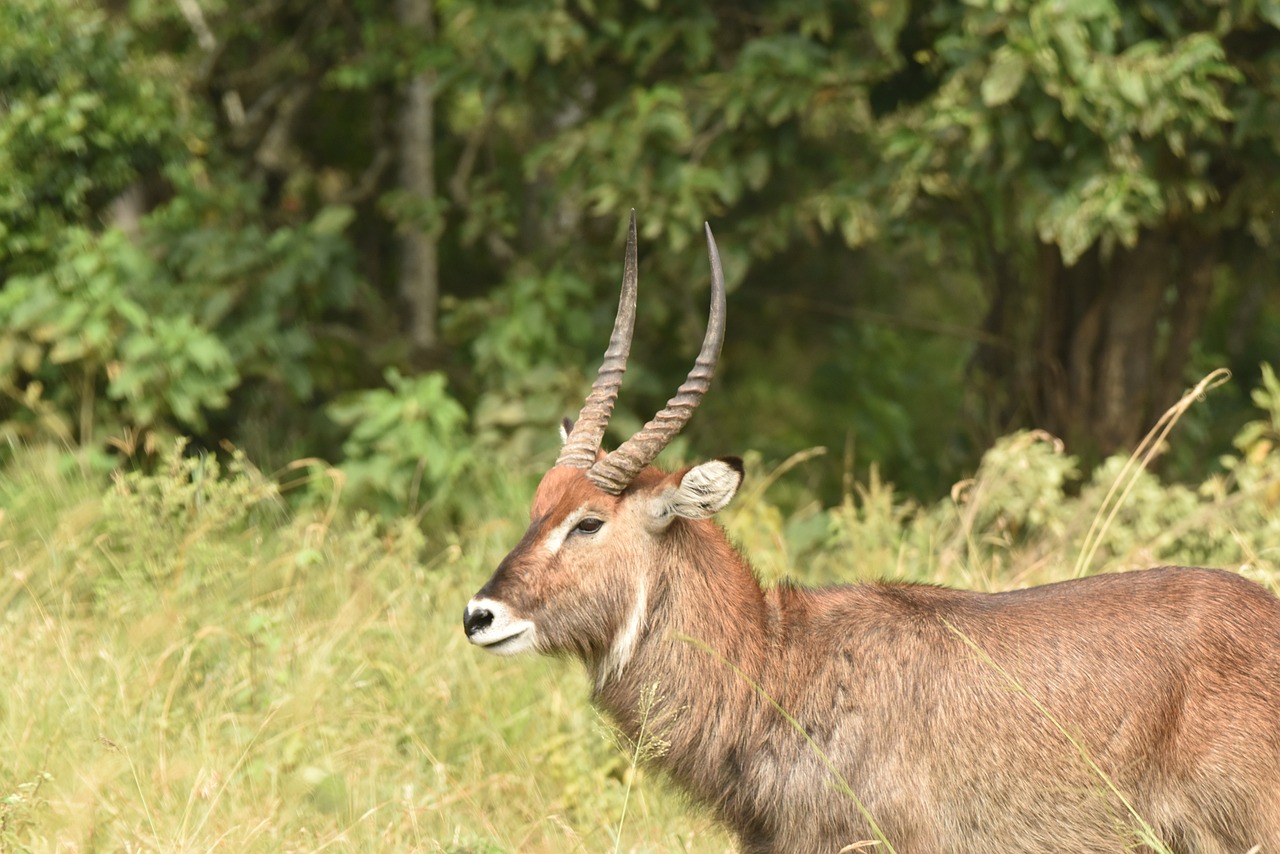
Successful bowhunting relies on observation of prey behavior. Understanding your target animal’s movements, feeding locations and habitat can greatly increase your hunting success. For example:
Early morning and evening are active times for prey, when animals usually come out to feed or drink.
Animals often gather near water sources. Looking for tracks or traces near water sources may be the best hunting location.
3.3 Concealment and camouflage
Bow hunting requires a high degree of concealment because the bow's range is relatively short and the prey's reaction speed is fast. Wearing camouflage clothing and using trees, shrubs, or other natural obstacles for cover can help you get closer to your prey.
Stay silent: Avoid making loud noises to prevent prey from becoming aware of your presence.
Don't rush to shoot: wait patiently until your prey comes within range.
4. How to improve shooting accuracy
Accuracy is a crucial aspect of bowhunting. Here are some tips for improving shooting accuracy:
- Understand your bow’s fall path: Every arrow is affected by gravity during flight, so it’s important to understand the range and fall of your bow. Properly adjusting the shooting angle can improve the hit rate.
- Breathing Control: Maintaining steady breathing can help you focus and reduce body sway when shooting. Many archers are accustomed to exhaling gently during the process of drawing the bow, and then holding their breath until the moment of shooting.
- Practice accuracy: Regular shooting training will not only improve your technical level, but also make you more familiar with your bow and arrow equipment and increase your self-confidence.
Comment
-2.jpg?w=3000&h=3000)