How to Choose the Right Bow for You: A Beginner's Guide
Nov 14,2024 | Archery Club
How to Choose the Right Bow for You: A Beginner's Guide
In archery, a sport full of challenges and fun, choosing a suitable bow is the key to improving skills and enhancing experience. Whether you are a novice who has just started archery or an experienced archer, choosing a bow that suits you will help you master skills more easily and improve shooting accuracy and comfort. So, how do you choose a bow that suits you? Here are some key factors for choosing a bow for your reference.
1. Determine the type of bow you are using
There are many types of bows, many with different designs and uses. Common bows include:
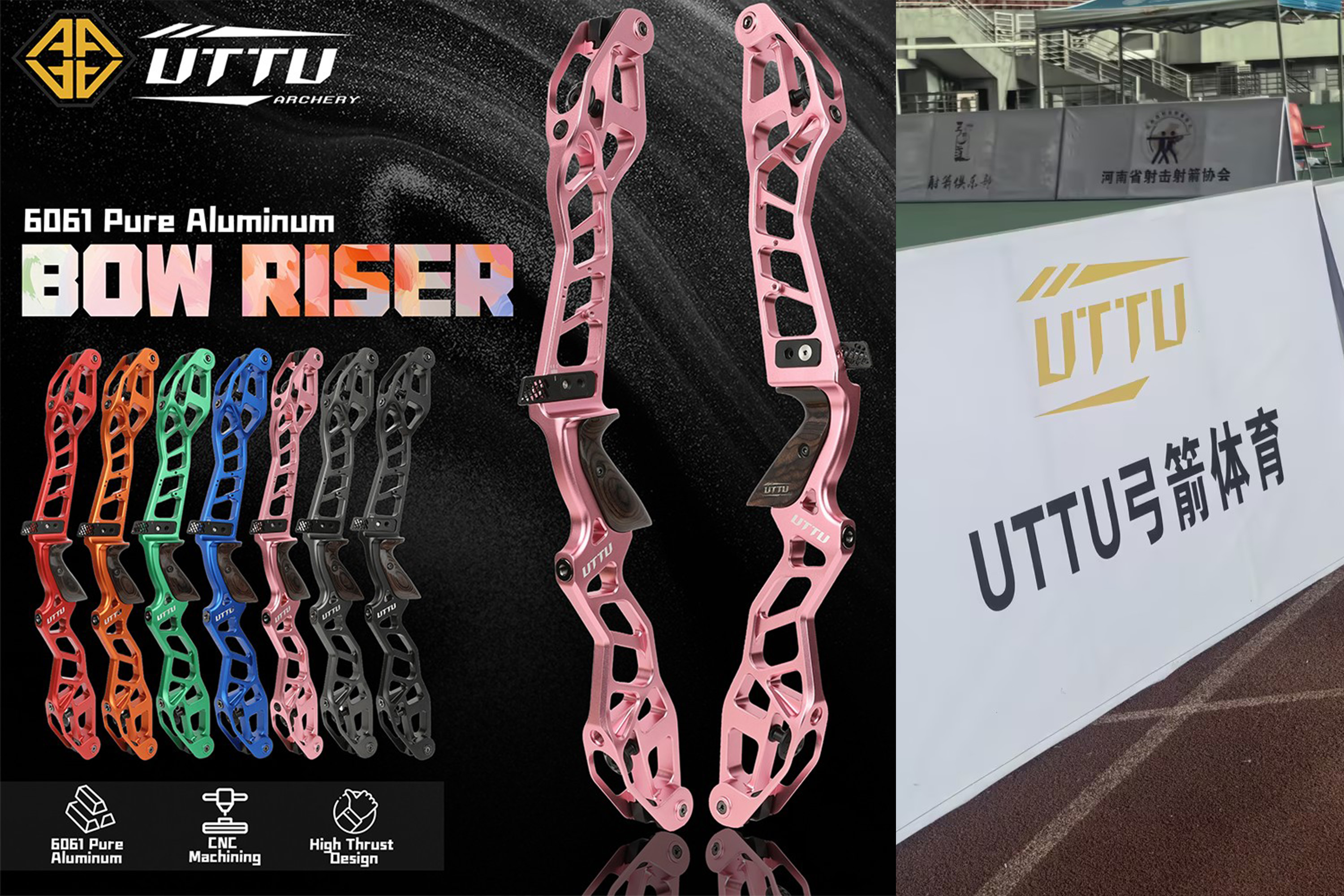
- Recurve bow: The bow arm of the recurve bow bends backward when the bow is drawn, and is generally more suitable for traditional bows and competitive archery. Its bow arm bends more, can provide higher arrow speed and increased power, and is suitable for archers with a certain foundation.
.jpeg?w=1000&h=1000)
Buy now:https://lokearchery.com/products/taow-f263-62-ilf-hunting-recurve-bow-25-60lbs
- Compound Bow: A compound bow is a modern bow that uses a rope and pulley system to gradually reduce the force of the bow arm as it is pulled, thus reducing the fatigue compound bow feeling when drawing the bow. The bow is usually more suitable for target shooting or hunting, high accuracy, suitable for beginners and experienced archers.
.jpeg?w=1000&h=1000)
Buy now:https://lokearchery.com/products/lwano-pangu-30-70lbs-compound-bow-suitable-for-hunting
- Longbow: The longbow is a traditional bow with a hunting bow arm and increased pulling force, usually used for archery practice by history or cultural enthusiasts. It requires high archery skills and is suitable for archers who like to challenge themselves with historical document archery.
.jpeg?w=1000&h=1000)
Buy now:https://lokearchery.com/products/58-traditional-triangle-bow-15-50lbs-hunting-recurve-bow
The type you choose mainly depends on your usage needs and personal preference. If you are a beginner, it is recommended to choose a compound bow because it is easier to use and easier to use.
2.Choose the appropriate pulling force
Bowstring tension refers to the force required to pull the bowstring to its maximum length, usually measured in pounds (lbs). Bowstring tension directly affects the accuracy, distance, and comfort of archery.
- Beginners: For beginners who are just starting to learn archery, it is recommended to choose a bow with a smaller draw weight (about 15-30 pounds), which can reduce the burden when drawing the bow and help you master the basic skills of archery faster.
- Intermediate archers: For archers who already have a certain foundation, you can choose a bow with a draw weight of 30-40 pounds. These bows can provide enough power without making the archer feel exhausted.
- Advanced archers: For experienced archers, a draw weight of more than 40 pounds is usually selected. Advanced archers pay more attention to accuracy and distance, and can choose a bow with a larger draw weight to improve the performance of experienced shooting.
Note: When choosing the tension, avoid choosing a tension that is too high or too low. A tension that is too high will make you feel tired when drawing the bow, affecting the accuracy of your archery; while a tension that is too low may cause the arrow to fly at an insufficient speed and distance, affecting the shooting effect.
3. Determine the length of the bow
The length of the bow also has an important impact on archery performance. Generally speaking, the longer the bow, the better the stability of the bow when shooting, but it also adds some inconvenience to carry. The length of the bow should be determined by the height and arm length of the archer.
- Short bows (under about 66 inches): suitable for children or beginners, easy to carry and operate, flexibility is the priority.
- Medium-long bows (about 66-70 inches): most adult archers, balance stability and flexibility.
- Long bows (over 70 inches): suitable for taller archers or those with larger arm spans, can provide better shooting stability and accuracy
Choosing the right bow length can improve the stability and accuracy of effective shooting. A simple rule of thumb is to stretch your arms out for a moment and measure the distance from fingertip to fingertip (arm extension). Generally speaking, the length of the bow should be proportional to the arm extension.
4. Bow material
The material of a bow directly affects its durability, weight, and comfort. Common bow materials include:
- Wooden bows: Traditional bows are usually made of wood and are suitable for archers who like retro and traditional archery. Wooden bows are usually heavier, but they feel gentle and natural.
- Composite bows: Modern composite bows are usually made of composite materials such as aluminum alloy, carbon fiber or fiberglass. They are practical, durable and strong. They are suitable for long-term training and competition use.
- Forged bows: Forged bows are similar to bows, but lighter and more durable, suitable for beginners or intermediate archers.
- Carbon fiber bows: Carbon fiber bows are the lightest and suitable for advanced archers who pursue accuracy and speed. They are usually more expensive, but they have excellent performance.
Choosing the right bow material can provide better comfort and durability. For beginners, composite bows or alloy bows are usually very suitable.
5. Bow accessories
Bow and arrow accessories are also important factors that affect the archery experience, including bowstrings, arrow rests, weapons, arrows, etc. Choosing the right accessories can effectively improve archery accuracy and comfort.
- Sights: Bows and recurve bows can be equipped with compound sights to help archers aim at the target more accurately.
- Arrow rest: Arrow rests are used to support arrows and ensure stable arrow launch. Choosing an arrow rest that suits your needs can reduce the stroke and improve accuracy.
- Bowstring: The material and tension of the bowstring directly affect the speed and stability of archery. Choosing the right bowstring can improve the shooting effect.
- Arm guards and gloves: In order to protect the arms and hands, arm guards and gloves are needed when shooting. Especially for beginners, wearing these protective equipment can avoid injuries.
6. Test firing and adjustment
After deciding on the type, draw weight, and length of your bow, the final step is to test shoot. Every archer has a different body shape and shooting style, so test shooting is the most effective way to determine if a bow is the right fit. If possible, go to a professional archery shop and borrow a few different types of bows to test and see which bow is best for you.
During the test shooting process, you can adjust the bow settings according to your personal feelings, such as the amount of tension, weapon adjustment, etc.
7. Key knowledge of bows
- Correct posture for using a bow
- When using a bow, you must master the correct standing posture, bow holding posture, bow drawing posture and aiming posture. Correct posture can improve the stability, accuracy and comfort of shooting.
- Power control of using a bow
- Learning to control the power of drawing a bow is a key skill in using a bow. Insufficient power will cause the arrow's flight trajectory to be unstable, and excessive power will cause the bowstring to rebound and hurt yourself or others. By gradually increasing the power of drawing the bow, you can improve your power control ability.
- Aiming skills
- Mastering the correct aiming skills can improve the accuracy of shooting. It is recommended to adopt the "three-point one-line" aiming method, that is, use your eyes to determine the direction of the arrow's flight, use the index finger and thumb of your left hand to determine the distance, and use your right hand to stabilize the bowstring.
- Equipment maintenance
- The bow is a precision equipment that requires regular maintenance and repair. You must learn the correct maintenance methods, such as regularly checking the elasticity and integrity of the bow, and regularly replacing the bowstring and arrow feathers.
Comment
-2.jpg?w=3000&h=3000)