What are the different types of hunting bows? and how to choose hunting equipment
Dec 23,2024 | Archery Club
What are the different types of hunting bows?
Welcome hunting enthusiasts! Hunting is not just a hobby; it's a thrilling adventure that requires skill, precision, and the right equipment. When it comes to bow hunting, choosing the perfect hunting bow is paramount. In this blog post, we will explore the different types of hunting bows and provide you with expert tips on how to choose the right one tailored to your needs. So, let's dive in and elevate your hunting game!
Understanding the different types of hunting bows
Before we delve into the intricacies of choosing a hunting bow, it's essential to understand the different types available. Traditionally, bows come in various forms, but for hunting, the two most popular types are compound bows and recurve bows.
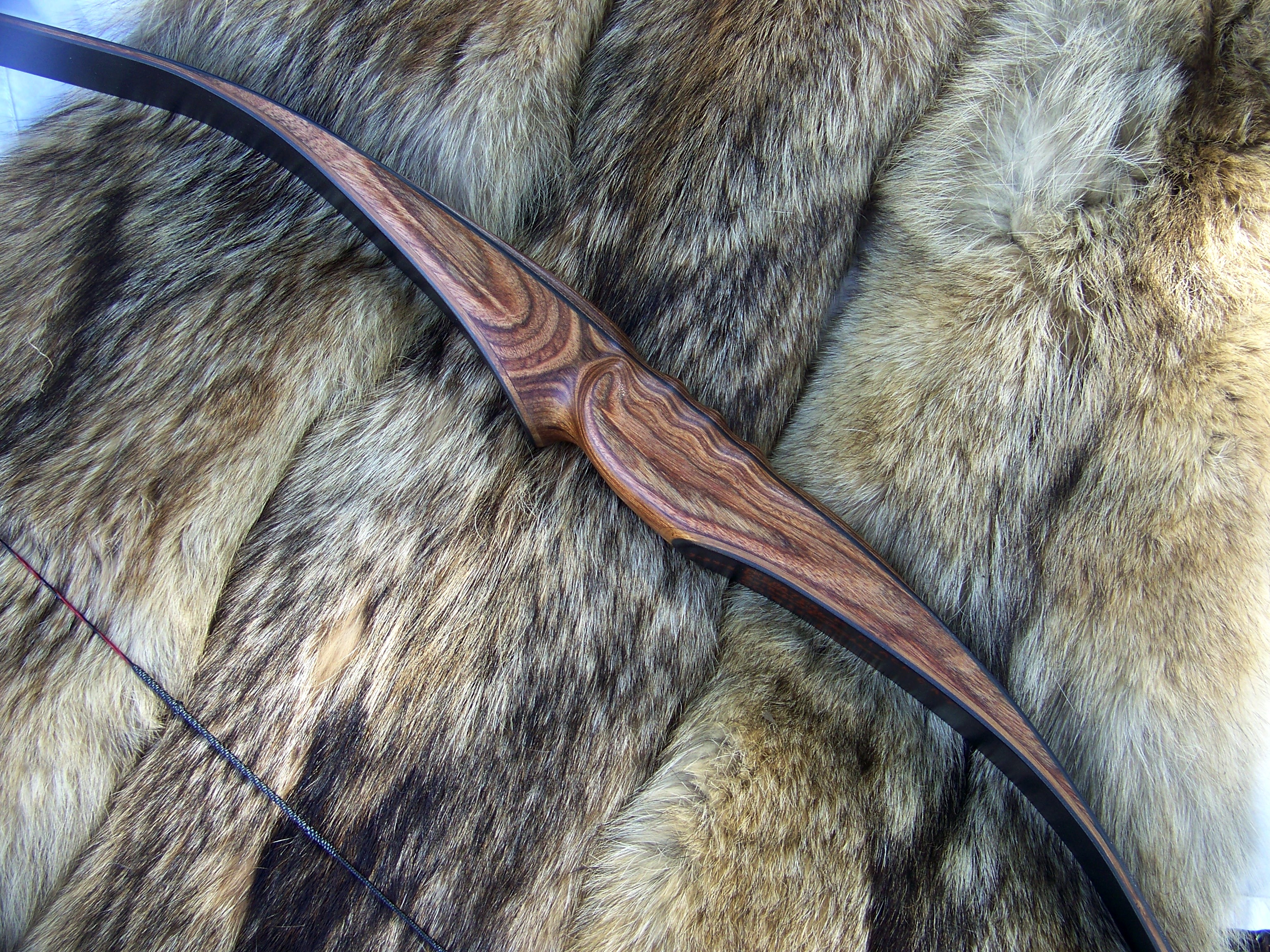
1. Traditional Bows: Traditional bows like longbows are the oldest kind. They are simple, elegant, and require a considerable amount of skill and practice to master. While they can provide a genuine connection to the ancient art of archery, they may not provide the same power and accuracy as modern bows.
2. Compound Bows: Compound bows are the go-to choice for most modern hunters. These bows incorporate advanced technology such as cables, pulleys, and cams to provide increased power and accuracy. The unique design of compound bows allows for a let-off at full draw, reducing the amount of strength required to hold the bow steady. This feature is particularly beneficial for hunters who need to hold their draw for an extended period before releasing the arrow.

3. Recurve Bows: Recurve bows are a great option for hunters who prefer a more traditional style but still want the advantage of modern materials and designs. These bows have limbs that curve away from the shooter when unstrung, which provides additional power compared to straight-limbed bows. Recurve bows can be an ideal choice for archers who value simplicity and versatility.
Choosing the perfect compound bow
When it comes to compound bows, it's crucial to select the one that suits your style and needs. Here are some factors to consider:
1. Draw weight and length: The draw weight refers to the force needed to draw the bow fully, while draw length is the distance between the bowstring and grip when at full draw. Choosing the appropriate draw weight and length is vital for accuracy, as it ensures a comfortable and consistent shooting experience.
2. Axle-to-axle length: This measurement refers to the distance between the cams or wheels on each limb tip of the bow. A shorter axle-to-axle length provides maneuverability in tight spaces, but a longer length offers increased stability and forgiveness.
3. Brace height: Brace height is the distance between the bowstring and the grip when the bow is at rest. It affects the speed and forgiveness of the bow. A shorter brace height typically results in faster arrow speeds but requires more skill to shoot accurately.
4. Let-off: Let-off is the reduction in draw weight when the bow is fully drawn. It allows the archer to hold less weight at full draw. The higher the let-off, the easier it is to hold the bow steady during aim, increasing accuracy.
Considering these specifications will help you find the perfect compound bow that matches your shooting style and provides optimal performance in the field.
Expert tips for finding the ideal hunting bow
While understanding the technical aspects is essential, seeking advice from experienced archers and consulting with experts can further refine your decision-making process. Here are some expert tips for finding the ideal hunting bow:
1. Consultation with pro hunters and archery experts: Reach out to seasoned hunters who can share their experiences and offer valuable insights. Additionally, consult with archery experts at reputable stores who can guide you through the selection process.
2. Importance of personalized fit and comfort: Every archer is unique, so it's crucial to consider your physical attributes and shooting style. Test different bow models to find the one that feels comfortable and fits your body correctly.
3. Trying out multiple bows before making a decision: Don't rush into buying the first bow you come across. Try out several bows to compare their performance, balance, and feel. This hands-on approach will help you make an informed decision.
4. Considerations for hunting style and terrain: Think about the type of game you'll be hunting and the surrounding terrain. Some bows may be better suited for long-range accuracy, while others excel at maneuverability in dense cover.
Accessories and additional considerations
Along with the bow itself, there are several accessories that can enhance your hunting experience:
1. Arrows and broadheads: Choosing the right arrows and broadheads is crucial for accurate and ethical shooting. Consider factors such as arrow material, weight, and tip design based on your hunting goals.
2. Bow sights and releases: Bow sights improve aiming accuracy by providing a reference point, while releases or trigger aids help maintain a consistent release, resulting in improved accuracy and reduced string torque.
3. Stabilizers and arrow rests: Stabilizers minimize vibrations and improve balance, while arrow rests offer support and guidance for your arrows as you shoot.
Maintenance and care for hunting bows
To ensure your hunting bow performs optimally and lasts for years to come, regular maintenance is essential. Here are some tips for maintaining your hunting bow:
1. Importance of regular maintenance: Regularly inspect and maintain your bow by checking for loose screws or bolts, ensuring the limbs are properly aligned, and inspecting the strings and cables for wear and tear. This prevents potential problems and ensures peak performance.
2. Cleaning and lubrication tips: Clean your bow regularly using a soft cloth or brush to remove dirt and debris. Lubricate the axles, cams, and other moving parts with manufacturer-recommended lubricants to prevent rust and ensure smooth operation.
3. String and limb care: Frequently wax your bowstring to maintain its lifespan and prevent fraying. Additionally, inspect the limbs for any signs of damage or cracks, as this can compromise your safety and bow's performance.
Conclusion
Choosing the right hunting bow is a critical decision that can significantly impact your hunting success. By understanding the different types of hunting bows and considering essential factors such as draw weight, length, and axle-to-axle length, you can make an informed decision. Don't forget to seek advice from experts, try out multiple bows, and consider your hunting style and terrain. With the right hunting bow in your hands, you'll elevate your hunting game and aim true. Happy hunting!
Comment
-2.jpg?w=3000&h=3000)