The Complete Beginner's Guide to Traditional Bows
Apr 28,2026 | Lokearchery
The first time someone picks up a traditional bow, they're often drawn to its simplicity—no complicated sights, no stabilizers, no release aids. Just the bow, the string, and you. This purity is exactly why traditional bows have been beloved for thousands of years.
As the original form of archery, the traditional bow remains active today on target ranges, in hunting grounds, and at outdoor campsites. It's perfect for archery beginners who want to start with the most fundamental approach, for traditional culture enthusiasts eager to experience vintage archery, and for outdoor recreation players looking for a compact companion during camping or hiking trips. Whether you want to practice leisurely in your backyard on weekends or stalk game quietly in the woods, a Lokearchery Traditional Bow Series fits right in.
Traditional bows offer three core advantages:
- pure experience:with no accessory interference, every shot is a direct dialogue between bow, arrow, and archer.
- simple and worry-free:the straightforward construction makes maintenance easy, and outdoor bumps and scrapes rarely cause damage.
- lightweight and portable:typically weighing only 1-2 pounds, they slip easily into a backpack or hang behind a car seat without taking up space or adding burden.
Lokearchery has the traditional bow manufacturing for years, with every bow hand-tuned to ensure smooth draw and accurate poundage, allowing beginners to feel the charm of traditional archery from their very first draw.
What is a Traditional Bow?
A traditional bow is a bow without complex accessories such as sights, stabilizers, dampeners, or mechanical release aids. It typically consists of three parts: the riser , the limbs, and the bowstring. The archer relies entirely on their own skill to aim and shoot; the entire process depends on the body's memory and intuition.
Compared to other types of bows, the characteristics of a traditional bow are very distinct: It lacks the detachable limbs and sight accessories of modern recurve bows, and certainly doesn't have the complex pulley systems of compound bows. Its structure is simplified to the extreme, but this very simplicity provides the most direct feel and feedback—the instant the arrow leaves the string, you can clearly feel the limb's rebound and the arrow shaft's vibration. This direct feedback is the best teacher; it tells you whether your form was consistent and your release smooth.
Traditional bows are suitable for enthusiasts wanting to experience the essence of archery, beginners with a limited budget looking for a low-cost entry point, outdoor players who prefer lightweight gear, and practitioners of traditional archery culture. They are less suitable for target shooters seeking competitive precision who rely on accessory assistance, nor for those who want quick results without investing time in fundamental practice.
Key Features of Traditional Bows
Although simple in construction, every design element of a traditional bow directly impacts the user experience.
Pure Feel, Bow and Archer as One is the most enchanting quality of traditional bows. With no accessories to dampen vibration, the more you practice, the more you understand the meaning of "the bow is an extension of your arm."
Simple Construction, Easy Maintenance makes traditional bows the first choice for outdoor enthusiasts. With no wheels, cables, or complex adjustment screws, daily maintenance requires only two things: wipe the bow with a dry cloth after each use, and apply wax to the bowstring every 3-6 months. Even if it gets knocked around outdoors, as long as the limbs aren't cracked, it generally remains usable.
Lightweight Design, Carry Anywhere is the practical advantage of traditional bows. A typical traditional bow weighs only 0.8-2.2 pounds, more than half lighter than most compound bows. Whether slipped into the side pocket of a backpack or hung behind a car seat, it takes up no space and adds no burden.
Diverse Draw Weight Options, Covers All Usersmakes traditional bows suitable for all ages. From 15 lbs for children to 50 lbs for adults, the range of draw weights is broad. Beginners can start with a lower draw weight, gradually building strength and skill, avoiding form breakdown caused by too heavy a bow. For example, the Lokearchery 20 lbs Youth Traditional Bow is an excellent entry choice designed for younger archers.
🛒 Looking to create a unique archery product?
https://lokearchery.com/products/52-inch-traditional-bow-10-30lbs-small-longbow
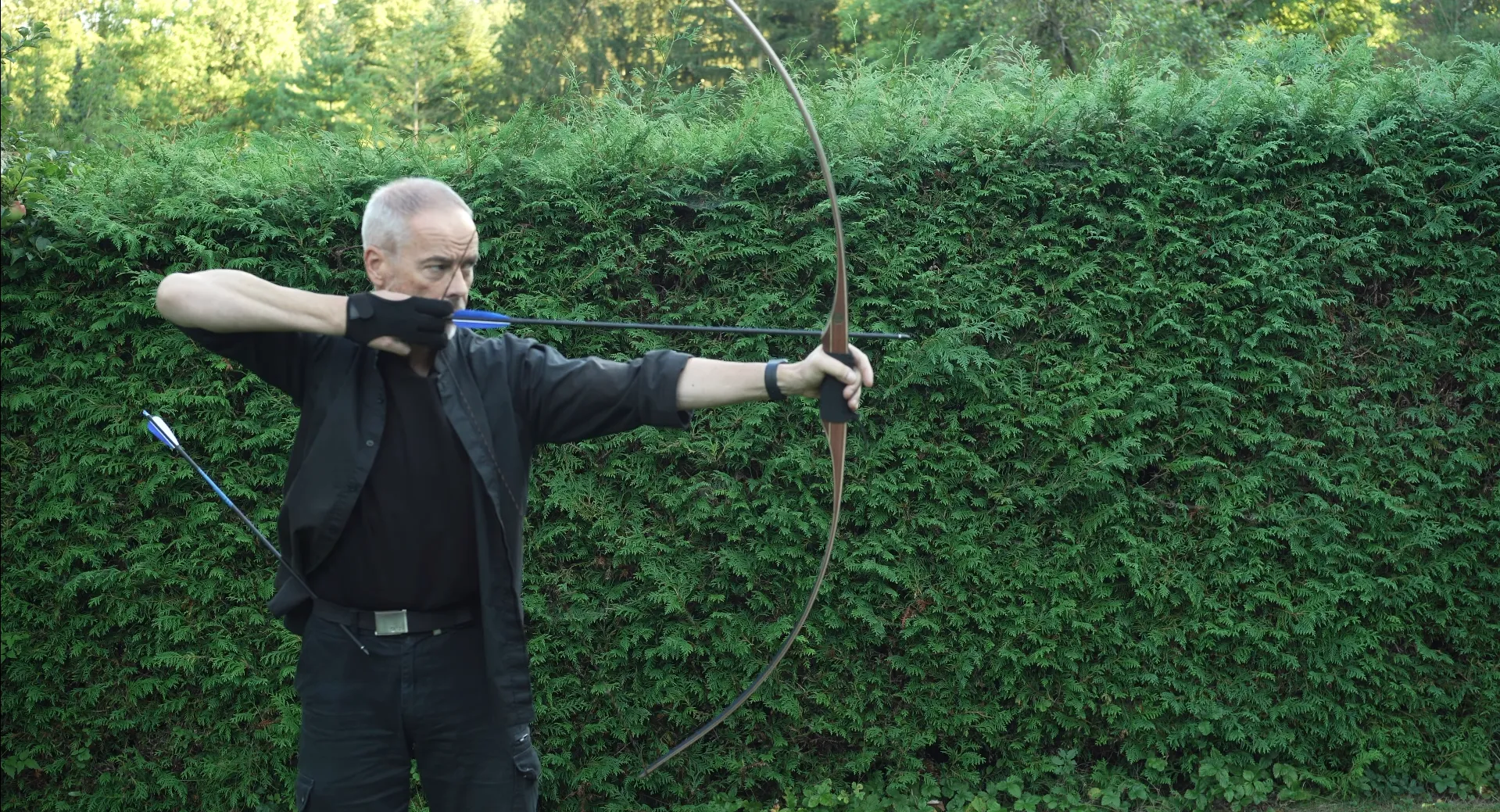
Additionally, the nocking point position on a traditional bow can be adjusted, accommodating different shooting styles such as the Mediterranean draw (using index, middle, and ring fingers) or the thumb draw (using a thumb ring), meeting the needs of various archery traditions. Furthermore, traditional bows shoot quietly—they won't startle game in the woods (ideal for hunting), disturb neighbors during backyard practice, or feel out of place at a campsite.
Technical Specifications of Traditional Bows
The specifications for traditional bows are relatively straightforward, but each one relates to the shooting experience. The table below shows the typical range for common traditional bows, for your reference when choosing:
This bow offers a variety of type options, including American Longbow, Traditional Recurve Bow, and Hunting Bow. The bow's length varies between 56 and 68 inches depending on the type. The draw weight ranges from 15 to 55 pounds, typically adjustable in 5-pound increments. Riser materials can be selected from maple, laminated wood, or engineering plastic. Limb materials are available in fiberglass, carbon fiber, or bamboo composite. Arrow rest types include a fur rest, an integrated rest, or no rest. The recommended draw length is 24 to 30 inches and must match the archer's wingspan. The net weight is between 0.8 and 2.2 pounds. The recommended arrow spine range is 500 to 2000, depending on the specific draw weight and draw length.
For a first traditional bow purchase, it's better to choose a draw weight that's too low than too high aim for one you can draw comfortably 20 times. Bow length should generally match your height: those under 170cm might choose 60-64 inches, while those over 170cm might prefer 66-68 inches. If you're unsure how to choose, check out the Lokearchery Bow Length Selection Guide for more detailed advice.
🛒 Looking to create a unique archery product?
https://lokearchery.com/collections/traditional-bow
Applications & Who It's For
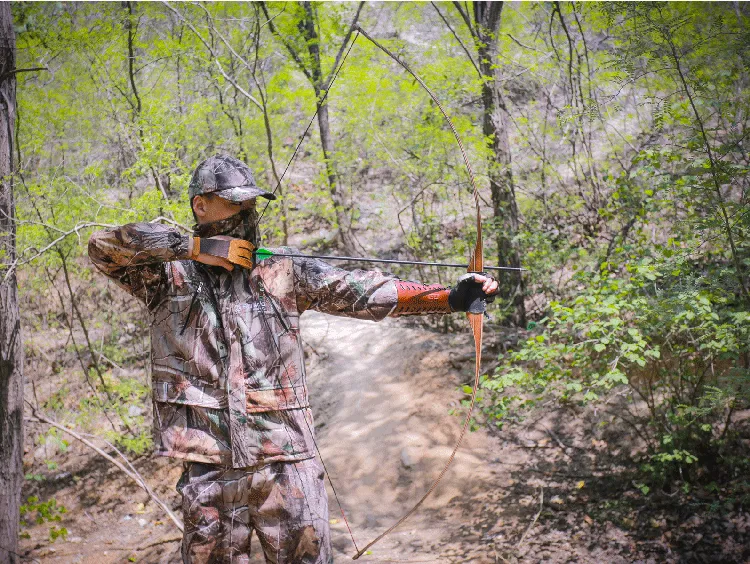
Traditional bows have a wide range of applications. For traditional archery practice, they are suitable for dojos, archery ranges, and school clubs. The process of shooting is also a process of self-cultivation, with each movement—stance, nocking, drawing, releasing—emphasizing form and focus.
For outdoor recreational hunting, the quiet nature of traditional bows makes them suitable for stalking small game like rabbits or birds (always follow local regulations). Compact hunting bow models offer greater maneuverability in the bush, like the [**Lokearchery 45 lbs Hunting Bow**](#) designed specifically for such scenarios.
For backyard leisure, hang a target in the yard on a weekend afternoon and practice for half an hour anytime. No need to go to a range, no complicated setup—the "low threshold" of traditional bows makes practice easy to sustain.
For camping activities, an open space near the campsite makes a perfect archery range. During gatherings with friends or family activities, a traditional bow is a great prop to break the ice and liven up the atmosphere.
Different people suit different traditional bow configurations:
-33-1100x.webp?w=1100&h=1100)
- Beginners (Adult): Recommend a 20-30 lbs traditional recurve. It's forgiving, has a smooth draw, and is great for building fundamental form. For instance, the Lokearchery 25 lbs Entry-Level Recurve Bow is tailored for newcomers.
🛒 Looking to create a unique archery product?
https://lokearchery.com/products/ameyxgs-10-30lbs-all-in-one-traditional-longbow-set - Youth / Women: Recommend a 15-25 lbs short bow. The draw weight is light, the size is small, and it's easy to hold without fatigue.
- Adult Recreational Shooters : Recommend a 30-40 lbs American longbow. The draw is smooth and gentle, suitable for longer practice sessions. You can check out reviews for the Lokearchery 35 lbs American Longbow.
🛒Looking to create a unique archery product?
https://lokearchery.com/products/ameyxgs-25-55lbs-handmade-takedown-traditional-recurve-bow-rh-lh
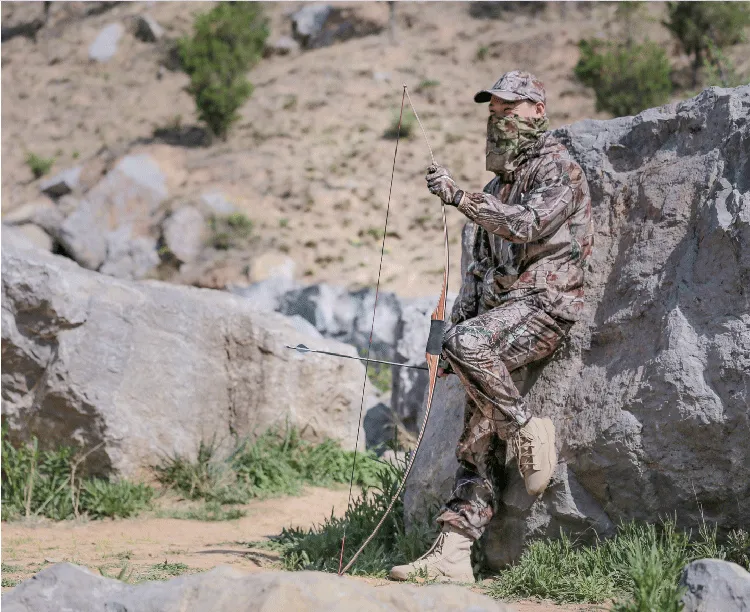
Traditional Hunting Enthusiasts : Recommend a 40-50 lbs hunting bow. It's compact, portable, offers faster arrow speed, and is suitable for bush environments.
Usage Tips:
- Draw Weight Selection: Choose a weight you can draw comfortably 20 times without fatigue. Most adult men can start around 30 lbs, women around 20 lbs.
- Size Matching: Bow length affects stability and portability. Taller people with longer wingspans generally suit longer bows; shorter people may find shorter bows more maneuverable.
- Arrow Spine: The arrow's spine (stiffness) must match your bow's draw weight and your draw length. Consult customer service when purchasing for a recommendation.
Quality Assurance
Making a traditional bow might seem simple, but it actually requires significant experience. Lokearchery has developed the traditional bow field for many years, establishing a comprehensive quality control system.
Every Lokearchery traditional bow undergoes three inspections before leaving the factory:
- Limb Poundage Test: Ensures the actual draw weight of each limb pair is within ±1 lb of the stated value.
- Riser Stress Test: Checks the riser for hidden cracks or stress concentration points.
- Overall Shooting Feel Tuning: An experienced archer shoots at least 10 arrows to confirm the draw is smooth and the limb return is consistent.
Frequently Asked Questions
Q1: Are traditional bows hard to learn?
A: Without sights, beginners do need to practice their anchor point and instinctive aiming. But this is precisely their charm—they make you find to "aiming by yourself" rather than "aiming with accessories." With just 30 minutes of daily practice, hitting a 10-meter target consistently within 1-2 weeks is entirely feasible. Once you master the basics, you'll find your progress feels more solid than those using accessories.
Q2: Can I hunt with a traditional bow?
A: Yes, but two conditions must be met: First, the draw weight must meet the minimum requirement of local hunting regulations (usually 40 lbs or more). Second, you must use appropriate hunting broadheads (such as fixed-blade or mechanical broadheads). Traditional bows are quiet and lightweight, suitable for still-hunting in the bush. Be sure to check and comply with local laws beforehand.
Q3: What arrows should I use with a traditional bow?
A: Wood shafts (for a vintage feel) or carbon shafts (durable, straight) are recommended. The arrow's spine must match your bow's draw weight and your draw length—too high a spine (stiffer arrow) and the arrow will be under-spined (weak), too low a spine (limper arrow) and it will be over-spined (stiff). When purchasing from Lokearchery, provide your draw weight and length to customer service, and we can recommend suitable arrows.
summary
Choosing a traditional bow means choosing a purer, freer way of practicing archery. Whether you want to experience the charm of traditional culture or find a new outdoor pastime, the Lokearchery Traditional Bow Series has something for you.
🛒 Looking to create a unique archery product?
https://lokearchery.com/products/traditional-longbow-kit-25-55lbs-with-arrows
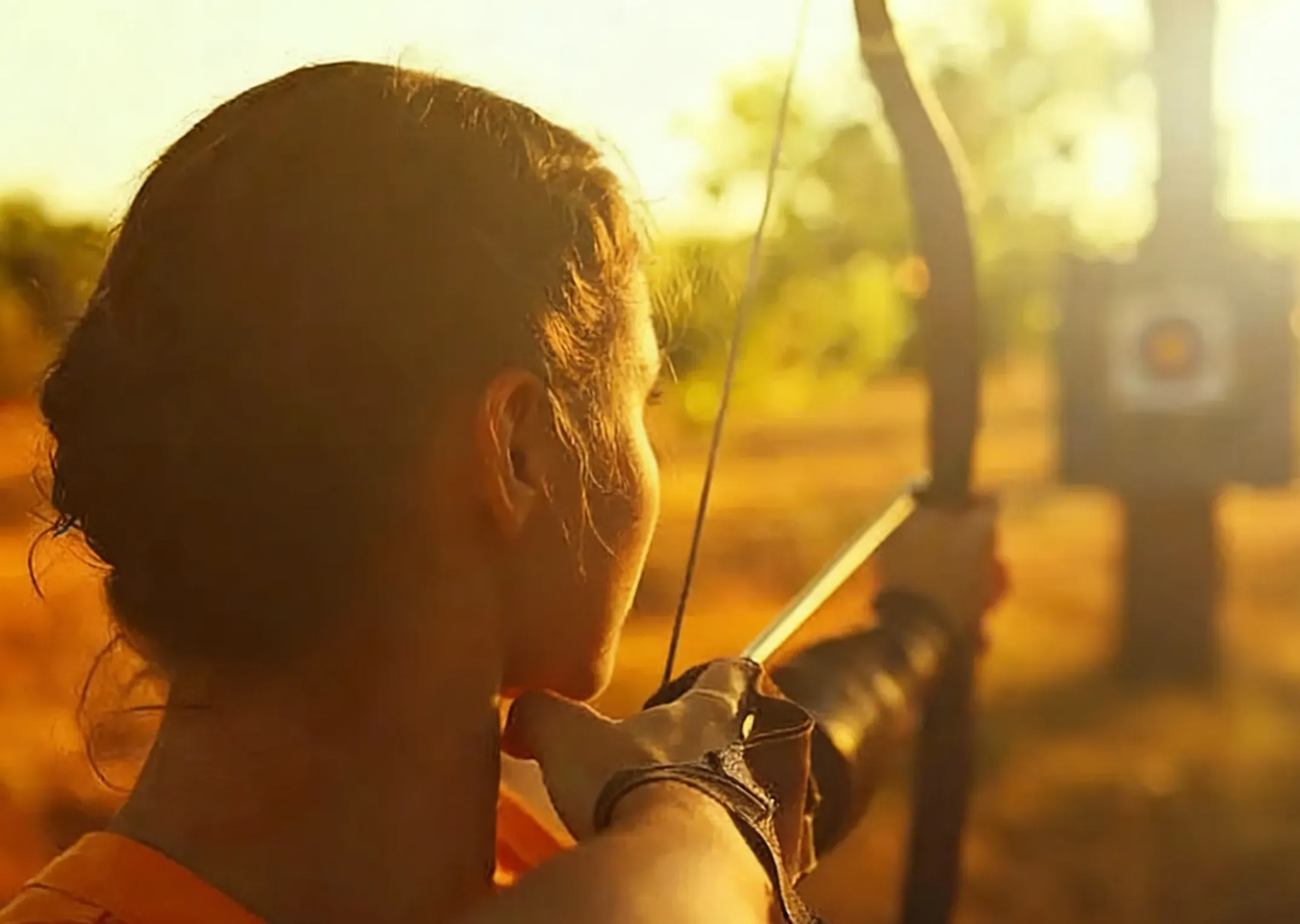
Start today. Pick up a traditional bow and experience the pure joy of becoming one with your bow.
Comment
-2.jpg?w=3000&h=3000)