How to Set Up Your First Recurve Bow: A Complete Starter Guide
Dec 24,2025 | Lokearchery
How to Set Up Your First Recurve Bow: A Complete Starter Guide
Setting up your first recurve bow can seem intimidating at first, but with the right knowledge, you'll be on your way to mastering the sport in no time. Whether you're a complete beginner or just upgrading your gear, this comprehensive guide will walk you through the steps of setting up your bow, adjusting key components, and preparing for your first shots.
By the end of this guide, you'll know exactly how to set up and adjust your recurve bow for optimal performance.
1. Understanding Your Recurve Bow: Key Components
Before you begin assembling your bow, it’s important to understand the main components of a recurve bow and how they work together. A recurve bow is made up of several key parts that affect your shooting performance, including the limbs, riser, string, and bowstring accessories.
Key Components of a Recurve Bow:
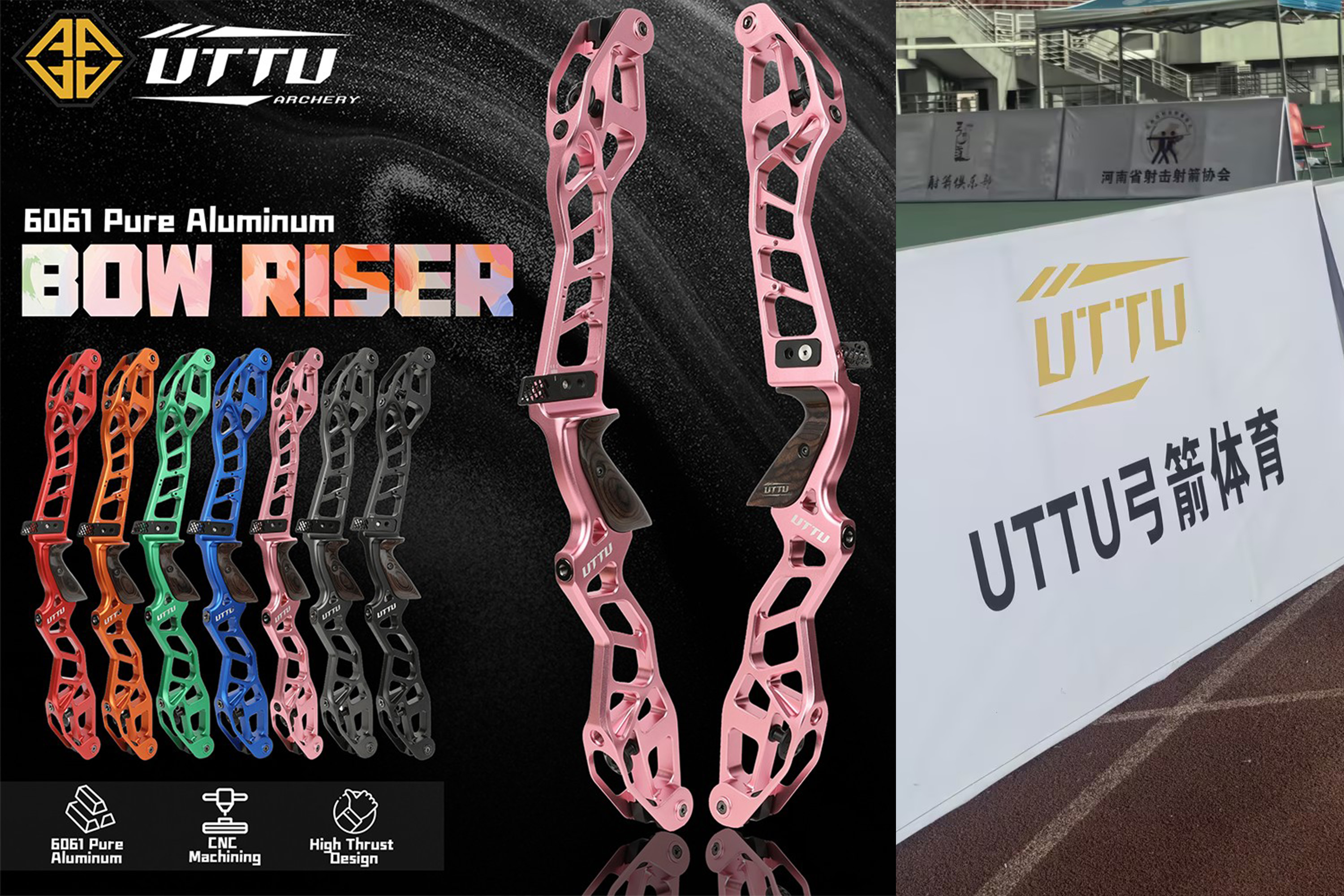
- Riser: The central part of the bow, usually made of aluminum, carbon, or wood. It holds the limbs and is where your handgrip and bow sight are attached.
- Limbs: The upper and lower limbs of the bow, usually made from wood, fiberglass, or carbon. They store the energy when drawn and release it when the string is released.
- Bowstring: The string connects the limbs and transfers energy to the arrow. Make sure the bowstring is properly installed and tensioned.
- Bow Sight and Stabilizers: Optional, but useful for targeting and improving shooting stability.
Best Recurve Bow for Beginners
2. Step-by-Step Guide to Setting Up Your Recurve Bow
Setting up a recurve bow properly is crucial for ensuring the bow performs as expected. Follow these steps to assemble your bow, adjust your settings, and get ready to shoot.
Step 1: Install the Limbs onto the Riser
- Align the limbs with the riser. Most recurve bows use an ILF system (International Limb Fitting), which makes it easy to install the limbs.
- Insert the limb bolts into the limb pockets of the riser. Tighten them securely but don’t overtighten, as this can affect the bow’s performance.
Step 2: Attach the Bowstring
Place the bowstring onto the top and bottom limb nocks. The string should be centered on the nocks to ensure balanced tension.
Use a bow stringer (recommended) to safely string the bow. The stringer helps you stretch the bowstring without putting unnecessary stress on the bow limbs.
Step 3: Set the Brace Height
The brace height is the distance between the bowstring and the grip when the bow is unstrung. It’s an important factor that influences the bow’s performance.
Follow the manufacturer’s recommendations for the correct brace height, typically around 7.5–9 inches for most recurve bows.
Step 4: Install Accessories (Optional)
- Bow Sight: Attach a bow sight to the riser if you’re planning to shoot with more accuracy. Align the sight with your eye level for consistent aiming.
- Stabilizer: If you want to improve your shooting stability, install a stabilizer onto the riser. This helps minimize bow vibrations and enhances accuracy.
- Rest and Plunger: If you’re using a rest, install it on the riser, ensuring it’s positioned correctly for the arrow to rest on it smoothly.
Recommended accessories for recurve bows
3. Adjusting Your Draw Length and Weight
Your draw length and draw weight need to be correctly adjusted for optimal shooting. These settings impact how the bow feels and how efficiently it delivers power to the arrow.
A. Adjusting the Draw Length
The draw length refers to how far you pull the bowstring back when shooting. It’s important to set your draw length to match your body size and shooting form.
To find your correct draw length, measure the distance from the nocking point to the grip. Most beginners will find their draw length between 26–30 inches, depending on their arm span.
B. Adjusting the Draw Weight
The draw weight is the amount of force needed to pull the string back to full draw. Beginners should start with a lighter draw weight, typically between 20–30 pounds, depending on strength and experience.
Many recurve bows offer adjustable draw weight, so you can increase or decrease the weight as you grow stronger.
4. Preparing for Your First Shots
Now that your bow is set up and adjusted, it’s time to prepare for your first shots. Keep the following tips in mind:
A. Proper Stance and Grip
Stand with your feet shoulder-width apart, facing the target.
Grip the bow with your fingers relaxed, ensuring that your hand doesn’t touch the shelf of the riser (where the arrow rests).
Anchor your draw hand in a consistent spot, usually at the corner of your mouth or under your chin, for consistency.
B. Aiming and Release
Keep your bow arm steady, focus on the target, and aim with your dominant eye.
Release the string smoothly, using your back muscles and fingers, allowing the bowstring to slip off your fingers without jerking.
5. Frequently Asked Questions (FAQ)
Q1: How do I know if my recurve bow is set up correctly?
Ensure that all components (limbs, string, accessories) are securely attached. The bow should feel balanced and comfortable when drawn, and the brace height should be within the recommended range.
Q2: What’s the best draw weight for beginners?
A good starting point for beginners is a draw weight between 20–30 pounds. This range provides enough power for shooting but isn’t too heavy to cause strain or poor form.
Q3: How can I improve my accuracy with my recurve bow?
Practice proper form, use the right arrows for your setup, and ensure your bow is properly tuned. Consistent practice with focus on form and release will help you improve.
6. Conclusion: Enjoy Your Archery Journey
Setting up your first recurve bow doesn’t have to be complicated. With the right tools and knowledge, you’ll have your bow ready to shoot in no time. By following the steps above, you’re setting yourself up for success and improving your chances of accuracy and consistency.
Ready to get started with archery? Shop our selection of recurve bows, accessories, and archery gear to enhance your shooting experience and performance. Start your journey today!
Comment
-2.jpg?w=3000&h=3000)